Top Tips for Choosing German Windows for Your Home?
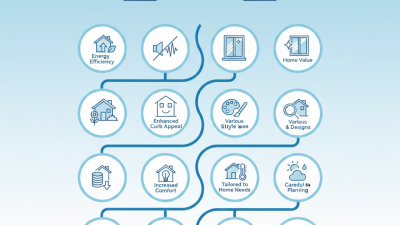
Choosing the right windows for your home is more crucial than you might think. German windows are renowned for their exceptional quality, energy efficiency, and distinctive design. When investing in your home, opting for these windows can elevate both aesthetics and functionality. However, the selection process can feel overwhelming due to various factors.
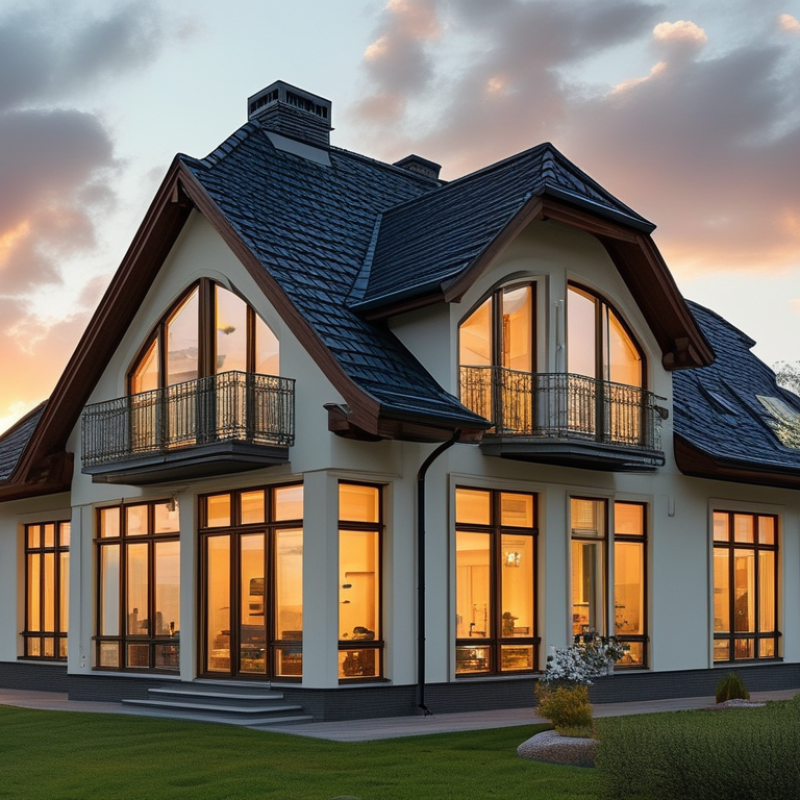
Quality is not just about materials. It's also about craftsmanship. German windows often feature superior insulation, which can reduce energy costs significantly. If your home lacks proper insulation, reflecting on this aspect is essential. Don't overlook design either. The style of the windows should complement your home's architecture. Consider how they enhance curb appeal while providing security.
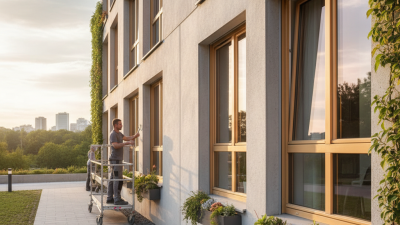
In addition to style and energy efficiency, pay attention to the installation. Incorrect installation can negate the benefits of high-quality windows. Therefore, ensure you partner with reliable professionals. Reflect on what your home truly needs. Are you looking for traditional or modern designs? The answer to that question may guide your choice of German windows. Remember, the right choices now can lead to lasting benefits in the future.
Key Considerations for Selecting German Windows Based on Energy Efficiency
When choosing German windows, energy efficiency should be a key focus. The windows' insulation properties play a significant role in reducing energy costs. Look for windows with triple glazing. This provides better thermal performance compared to single or double glazing. Consider the frame material too. Frames made from uPVC or wood can offer superior insulation.
Another aspect to consider is the U-value. This measures how effective a building element is as an insulator. The lower the U-value, the better the insulation. Aim for a U-value below 1.1 W/m²K for optimal efficiency. Additionally, check the energy label of the windows for a quick assessment of performance.
Despite these guidelines, it's important to reflect on your specific needs. Not every energy-efficient window may be suitable for your home. Local climate can influence your decision. Speak to professionals who can help evaluate your unique situation. Their expertise can ensure you select the right windows that comply with energy standards while enhancing your living space.
Understanding German Window Standards: Performance Ratings and Labels
When selecting German windows, understanding performance ratings and labels is crucial. German windows are recognized for their high energy efficiency. Look for the energy performance ratings like U-value, which indicates insulation capabilities. A lower U-value signifies better insulation. This is essential for reducing energy costs and enhancing comfort in your home.
Labels such as the "Passivhaus" standard highlight exceptional thermal performance. Windows that meet this standard help maintain indoor temperatures. They reduce reliance on heating and cooling systems. However, understanding these ratings can be confusing. Often, consumers overlook small details in labels. These details could significantly impact overall window performance.
Quality matters. Not all certified products are equal. Pay attention to the installation process. Poor installation can negate the benefits of high-performance windows. Investing time in research will yield long-term benefits. Read reviews and consult experts to get a clearer picture. Remember to evaluate your specific needs too, as not every window fits every home perfectly.
Material Options for German Windows: Wood, PVC, and Aluminum Insights
When selecting German windows, the choice of materials is crucial. Wood, PVC, and aluminum each have distinct advantages.
Wood offers a classic aesthetic and excellent insulation. Research indicates that wooden windows can reduce heat loss by up to 30%. However, they require regular maintenance to prevent rot and warping, which can deter some homeowners.
PVC windows are known for their durability and minimal upkeep. They are resistant to moisture and don't require painting. According to industry studies, PVC can last over 30 years, maintaining its color and form. One point to consider is that they may lack the aesthetic warmth that wood provides. Homeowners must weigh the long-term savings against short-term appearances.
Aluminum windows combine strength with sleek design.
They can support larger panes, which enhances natural light intake. However, they are less efficient in terms of insulation without thermal breaks. Studies show an increase in energy costs up to 10% in poorly insulated aluminum windows. Balancing aesthetics, efficiency, and cost makes the decision challenging yet rewarding.
Comparative Costs of German Windows: Budgeting for Quality and Longevity
When considering the costs of German windows, it’s important to analyze quality versus budget. Reports indicate that German windows can cost anywhere from $600 to $1,200 per unit, depending on material and style. This initial investment can seem high, but longevity balances this cost. Many German windows boast lifespans exceeding 30 years, which often justifies the upfront expense.
In a recent industry analysis, it was noted that homeowners can save up to 30% on energy bills with high-efficiency German windows. These windows typically feature triple glazing and enhanced insulation. This combination minimizes heat loss, proving beneficial in harsh climates. However, some may hesitate due to the higher installation costs associated with such specialized windows. Installation can add $150 to $300 per window, reflecting the skilled labor required.
Choosing the right type can also impact long-term expenses. Vinyl, wood, and aluminum frames each have distinct upkeep requirements. For instance, wood frames may need regular painting or sealing, while aluminum requires less maintenance. It’s crucial to reflect on these factors and make an informed decision. Balancing budget constraints with the potential for long-term savings requires careful thought.
Benefits of Triple Glazing in German Windows: Noise Reduction and Insulation
Choosing German windows for your home is about more than aesthetics. The benefits of triple glazing deserve attention. This type of window can provide significant advantages, particularly in noise reduction and insulation. A study by the National Fenestration Rating Council (NFRC) shows that triple-glazed windows can reduce noise levels by up to 50% compared to single glazing. For homes situated in bustling areas, this reduction can greatly enhance comfort.
Insulation is another critical factor. According to the U.S. Department of Energy, triple glazing has an R-value of between 5 to 7, whereas double glazing typically ranges from 2 to 3. This improvement significantly decreases energy bills, as homes maintain temperature more effectively. It’s essential to consider the initial costs against long-term savings.
However, the weight of triple glazed windows may pose an installation challenge. Some homes may require structural reinforcement to support them. Additionally, this type of glazing can be more expensive upfront. It's vital to weigh these details carefully, ensuring your choice aligns with your home’s specific needs and budget.
Benefits of Triple Glazing in German Windows