How to Choose European Tilt and Turn Windows for Your Home?
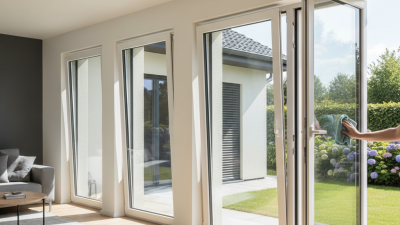
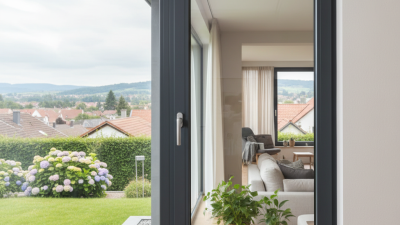
European tilt and turn windows are increasingly popular among homeowners. Their unique design provides both functionality and style. These windows can be opened in multiple ways, allowing for flexible ventilation. This feature is especially useful in varying weather conditions.
When selecting European tilt and turn windows, consider your home's architecture. The right choice can enhance the overall appearance of your property. Different materials, such as wood, aluminum, or uPVC, offer distinct benefits. Aesthetic appeal and energy efficiency are crucial factors to think about. Yet, many overlook the importance of proper installation. Poorly installed windows can lead to drafts and other issues.
Additionally, the cost of these windows varies. Investing in quality can save you money in the long run. However, striking a balance between budget and quality remains challenging. Researching reputable suppliers is vital. They can provide guidance tailored to your needs. Making an informed choice ensures long-lasting satisfaction with your European tilt and turn windows.
Understanding European Tilt and Turn Windows: Key Features
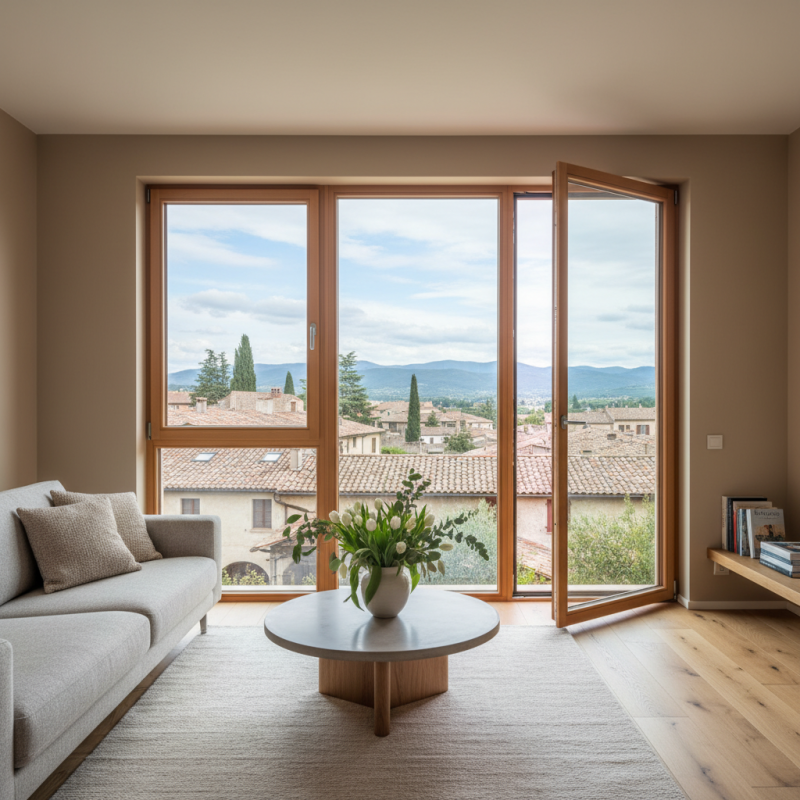
European tilt and turn windows combine sophistication and functionality for modern homes. Their dual-opening mechanism allows for flexible ventilation. You can tilt them for a gentle breeze or fully open them inward for easy cleaning. This versatility is a key feature that makes them popular.
When choosing these windows, consider insulation. Good insulation helps save on energy bills. It’s important to check the thermal performance ratings. Efficient windows maintain a comfortable temperature indoors. Some may overlook this detail, only to find unexpected costs later.
Another vital aspect is security. Look for features like multi-point locking systems. These enhance safety and provide peace of mind. Aesthetic design also matters, as it affects your home's curb appeal. Don’t just focus on function; the style should complement your architecture.
Tip: Always measure your window frames accurately. Improper sizing can lead to gaps and reduce efficiency. Additionally, consult with professionals before making a decision. Their insights can be invaluable, especially if you’re unsure about the materials or styles. This proactive approach helps avoid future regrets.
Assessing Your Home’s Design and Needs for Window Selection
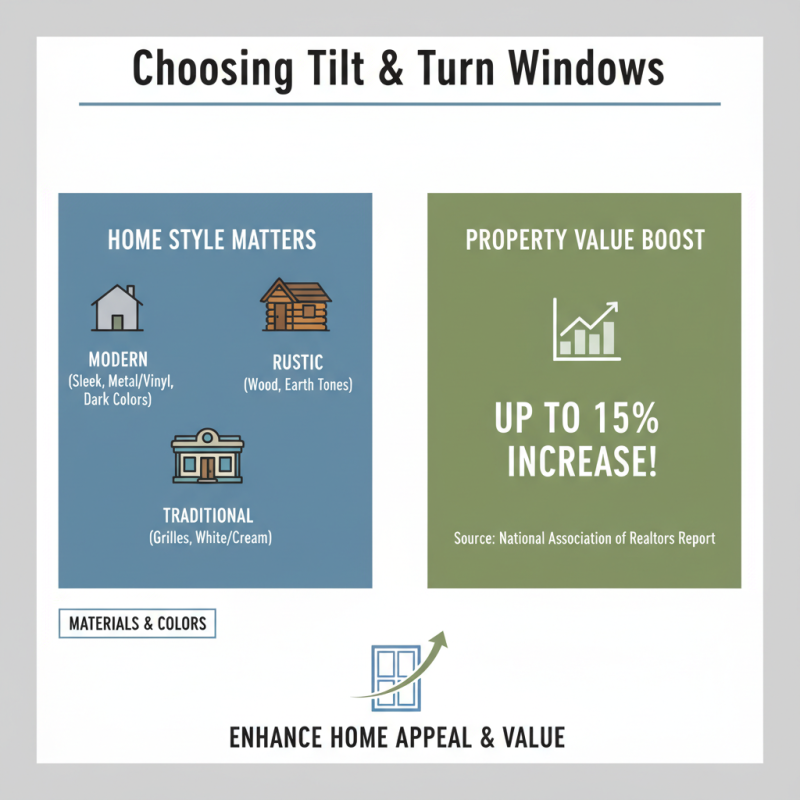
Choosing the right tilt and turn windows begins with assessing your home's design. Different styles exist, like modern, rustic, or traditional. Each style influences your choice of materials and colors. Research shows that window aesthetics can enhance property value. According to a report by the National Association of Realtors, windows with complementary designs can increase a home's value by up to 15%.
Next, consider functionality. Tilt and turn windows offer versatile opening options. They can provide ventilation and easy cleaning. However, they may not suit every homeowner’s needs. Some people prefer a more straightforward design. When assessing your requirements, think about the climate, privacy, and maintenance. A study published in the Journal of Architectural Engineering suggests that improper window selection can lead to increased energy costs by up to 30%.
Pay attention to energy efficiency ratings. Windows with higher ratings can help reduce heating costs. Many lean towards triple-glazed options, but they can be heavy and expensive. Lower-cost, double-glazed windows may suffice in milder climates, so weighing pros and cons is crucial. Ultimately, the choice of windows should reflect your lifestyle while enhancing your home's overall aesthetic.
Comparing Materials: uPVC, Wood, and Aluminum Options
When selecting European tilt and turn windows for your home, the choice of materials is crucial. uPVC, wood, and aluminum each offer distinct features. uPVC windows are low-maintenance and energy-efficient. They resist weathering well. However, they may lack the aesthetic appeal of wood.
Wood windows bring warmth and elegance. They can enhance your home’s charm. Yet, they require regular maintenance to prevent rot and decay. A coated finish is vital. This could be a downside for busy homeowners.
Aluminum frames are incredibly durable. They are also lightweight and modern. However, they conduct heat, which can lead to energy loss. Consider the insulation options carefully.
**Tips:** Think about your local climate. This impacts the durability of each material. Inspect your options closely. Don’t rush the decision. Reflect on the long-term care each type needs. It’s essential to find a balance between aesthetics and practicality.
Evaluating Energy Efficiency Ratings and Performance
Choosing European tilt and turn windows involves assessing their
energy efficiency ratings.
Energy efficiency is crucial in maintaining comfortable indoor temperatures.
Poor insulation can lead to increased energy costs.
According to the National Fenestration Rating Council,
energy-efficient windows can reduce heating and cooling costs by up to 30%.
When evaluating windows, look for U-factor ratings.
This measures thermal transmittance. Lower U-factors indicate better insulation.
For instance, windows with ratings below 0.30 are considered efficient.
However, remember that performance varies with
design and installation quality. A poorly installed window, even with good ratings, might still be inefficient.
Consider additional factors, such as solar heat gain coefficient (SHGC).
A lower SHGC is beneficial in hotter climates. In contrast, a higher SHGC can help retain heat
during cold winters. Each home has unique needs, making it essential to reflect on your building's
orientation and location. Don't overlook the importance of professional installation,
as even the best windows can underperform if not properly fitted.
Choosing the Right Installation and Maintenance for Longevity
When selecting European tilt and turn windows, proper installation is crucial for longevity. Hiring skilled professionals can make a difference. They should ensure a tight fit within the frame. Gaps can lead to air leaks and water damage. Windows need to be level and secure. Improper installation can lead to costly repairs later.
Maintenance is equally important. Regular cleaning helps prevent dirt buildup. This can affect the functionality of the windows. Check the seals for wear and tear. Replacing damaged seals promptly can extend the life of the windows. Lubricate hinges and mechanisms occasionally. This helps keep everything operating smoothly. If you're unsure about maintenance procedures, consulting with experts is wise. Reflecting on your window care practices can enhance their durability. It's also essential to monitor any signs of issues. Early detection can save time and money.
How to Choose European Tilt and Turn Windows for Your Home?
| Dimension |
Description |
Importance |
Maintenance Tips |
| Frame Material |
Common materials include uPVC, aluminum, and wood. |
Durability and insulation properties vary with material. |
Inspect for damage and clean regularly to prolong lifespan. |
| Glazing Type |
Options include single, double, and triple glazing. |
Affects energy efficiency and sound insulation. |
Keep seals intact and consider cleaning with appropriate products. |
| Size and Design |
Custom sizes available for various architectural designs. |
Influences the home's aesthetic and functionality. |
Regularly check for alignment and ease of operation. |
| Hardware Quality |
Includes hinges, handles, and locking mechanisms. |
Determines security and ease of use. |
Lubricate moving parts and check for wear regularly. |
| Energy Rating |
Rated from A++ to E based on energy efficiency. |
Lower ratings lead to higher energy costs. |
Ensure proper sealing to maintain energy rating performance. |