Best Manufactured Windows for Energy Efficiency and Durability?
In the quest for energy efficiency and durability, selecting the best manufactured windows is crucial. Renowned expert Sarah Thompson, a leader in sustainable building practices, states, “Quality manufactured windows can significantly enhance a home's energy performance.” This highlights their essential role in modern construction.
Manufactured windows come in various styles and materials. They offer flexibility in design while ensuring superior insulation. Homeowners often face challenges in choosing the right products. The market is flooded with options, making it overwhelming. Consumers should prioritize both energy efficiency and durability when making decisions.
Yet, not all manufactured windows perform equally. Some may promise high insulation but fail in real-world applications. It’s essential to research thoroughly and seek expert advice. The right choice leads not just to savings, but also increases the home’s value and comfort.
Overview of Energy Efficiency in Manufactured Windows
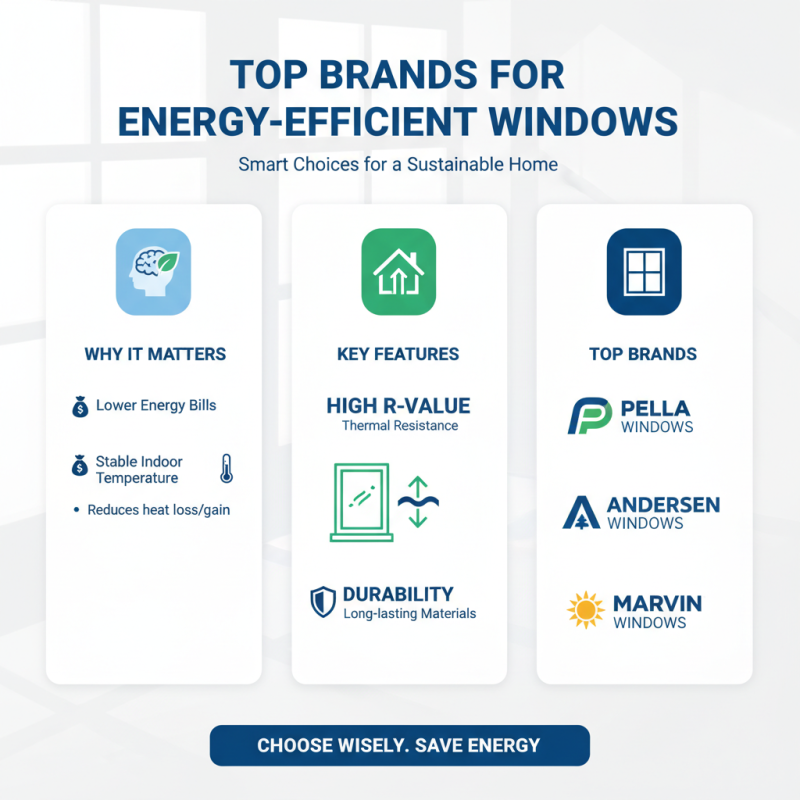
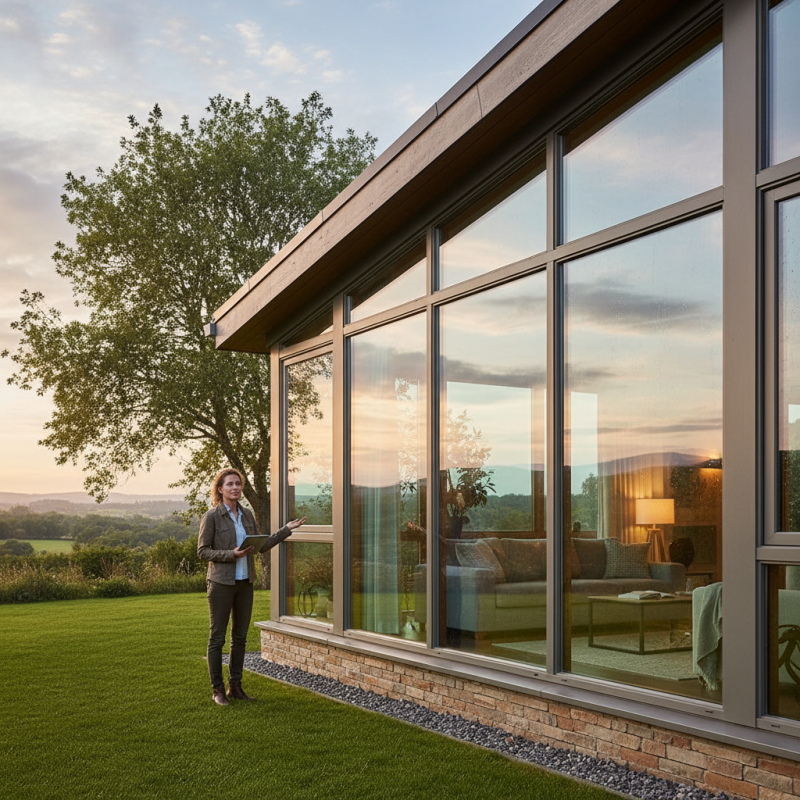
Energy efficiency is crucial when selecting manufactured windows. Windows are often the weakest link in a home’s insulation. Poor-quality windows can lead to significant heat loss in winter and heat gain in summer. This not only affects comfort but also impacts energy bills.
High-quality, energy-efficient windows can make a significant difference. They are designed with advanced materials and technologies. For example, multiple glazing layers can reduce heat transfer. Low-emissivity (low-E) coatings reflect heat while allowing light in. These features enhance insulation and reduce the need for heating and cooling.
However, not all energy-efficient windows are perfect. Some might be more expensive upfront but lead to savings over time. Others may not perform well in extreme weather. Research is vital. Homeowners should consider local climate and specific needs. Energy efficiency is not one-size-fits-all. A structured approach ensures you find the right window solution for your home.
Comparison of Energy Efficiency Ratings for Manufactured Windows
This chart illustrates the energy efficiency ratings of various manufactured window types based on their U-factor and Solar Heat Gain Coefficient (SHGC). Higher efficiency ratings suggest better insulation and reduced energy costs.
Key Materials Used in the Production of Durable Windows
When considering the best materials for durable windows, several key options stand out.
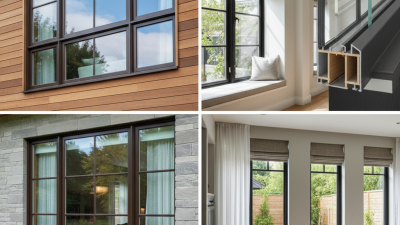
Vinyl is popular due to its excellent insulation properties.
It is lightweight and resistant to moisture, which reduces the risk of warping.
Fiberglass is another strong contender.
It can withstand extreme temperatures and harsh weather conditions while maintaining its structural integrity.
However, some fiberglass windows may lack aesthetic appeal compared to other materials.
Wood, while beautiful and classic, requires more maintenance. It can deteriorate over time if not properly treated.
Still, many homeowners appreciate its natural look. Aluminum frames offer a modern touch and superior strength but may have lower insulation values.
The choice often hinges on personal preference and specific climate conditions.
Choosing the right material is not straightforward. Each option has pros and cons.
Some might prioritize energy efficiency, while others focus on aesthetics.
It's essential to weigh these factors carefully. Proper installation also matters greatly for long-term durability.
A well-installed window can significantly enhance energy efficiency.
Understanding these aspects is crucial for making a good decision.
Comparison of Window Styles for Maximum Energy Savings
When selecting windows for energy efficiency, various styles can significantly impact your energy savings. Double-hung windows are popular due to their versatility. They allow for easy ventilation and can be opened from both the top and bottom. This feature helps maintain comfortable indoor temperatures while minimizing the need for heating or cooling.
Casement windows are also a solid choice. They create a tight seal when closed, reducing the likelihood of air leaks. These windows offer an excellent view and can be opened fully to let in fresh air. However, they may require regular maintenance to ensure hinges remain functional.
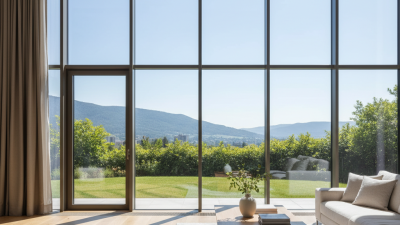
Sliding windows provide large glass areas, which increases natural light. This design can enhance energy efficiency by utilizing passive solar gain. Yet, they may not be ideal for homes with heavy snow. Each window style has unique benefits and challenges, making it essential to assess your specific needs before making a decision.
Best Manufactured Windows for Energy Efficiency and Durability
| Window Style |
Energy Efficiency Rating |
Durability Rating |
Material Type |
Average Lifespan (Years) |
Insulation Value (R-Value) |
| Double Hung |
High |
Moderate |
Vinyl |
20 |
3.0 |
| Casement |
Very High |
High |
Wood |
25 |
4.0 |
| Sliding |
Moderate |
Moderate |
Vinyl |
15 |
2.5 |
| Awning |
High |
High |
Aluminum |
20 |
3.5 |
| Bay/Bow |
High |
Moderate |
Vinyl |
20 |
3.2 |
Maintenance Tips for Enhancing the Longevity of Manufactured Windows
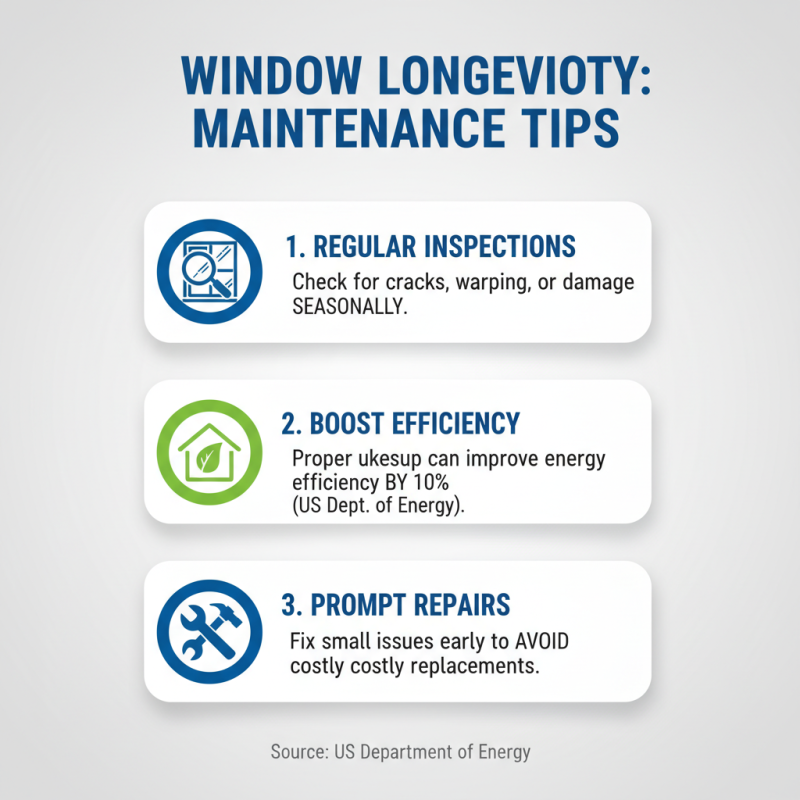
Maintaining manufactured windows is crucial for optimizing their energy efficiency and durability. Regular inspections are key. Check for signs of damage, such as cracks or warping, every season. A report from the U.S. Department of Energy indicates that well-maintained windows can improve energy efficiency by up to 10%. Small repairs can prevent costly replacements later.
Cleaning the window frames and glass is vital. Use non-abrasive cleaners to avoid damaging surfaces. Dirt can reduce sunlight and heat transfer. In climates with extreme temperatures, insulation around the windows should also be evaluated annually. A National Association of Home Builders study suggests that proper insulation can reduce heating and cooling costs by 20%.
Consider weather stripping and caulking, which can help seal gaps. These simple additions can mitigate air leaks. While these steps may seem straightforward, they often get overlooked. Homeowners should set reminders for routine maintenance. Neglecting these details can lead to unnecessary wear and energy loss. Small steps lead to significant improvements in performance over the window's lifespan.