2026 Top Types of Premium Windows for Global Buyers?
Choosing premium windows for an international project requires more than comparing attractive frames and high price tags. Global buyers must examine climate, building orientation, glazing performance, hardware quality, installation standards, and long-term maintenance. A coastal villa may need corrosion-resistant aluminum and laminated glass. A mountain residence may require insulated frames, triple glazing, and carefully sealed joints.
The category is not perfectly defined. “Premium” can describe craftsmanship, performance, design, or service. Sometimes, it describes all four. Dariush Arasteh, a recognized window-performance researcher, has described windows as “the weak link in the building envelope.” His observation remains practical because even excellent glass can perform poorly with weak installation or unsuitable framing.
This guide introduces the top types of premium windows for global buyers in 2026. It considers aluminum-clad wood, thermally broken aluminum, advanced uPVC, fiberglass, lift-and-slide systems, and high-performance curtain-wall solutions. Each type offers different advantages. None is ideal everywhere. The right choice depends on local weather, energy goals, architectural style, security needs, and available technical support.
Real purchasing decisions also involve less glamorous details. A beautiful window may have a long lead time. A narrow frame may reduce thermal performance. A large sliding panel may require stronger structure and more frequent adjustment. Buyers should question impressive specifications and request verified test data. That extra step can prevent expensive mistakes. This overview aims to connect product design with real-world performance, while acknowledging that premium windows still demand careful planning, skilled installation, and honest evaluation.
What Defines a Premium Window in 2026?
A premium window in 2026 is defined by measurable performance, not appearance alone. It should limit heat gain, reduce outdoor noise, and maintain stable indoor temperatures. High-quality glazing, durable frames, and reliable seals work together. Triple glazing can help in cold regions, while selective coatings may suit hotter climates. The correct choice depends on local weather, building orientation, and ventilation needs. Independent laboratory testing adds confidence to published thermal and acoustic figures. Still, no specification is perfect.
Tips:
Ask for whole-window U-values, not glass-only figures. Check air leakage, water resistance, and wind-load test results. Confirm installation requirements before ordering. A strong window can perform poorly when the surrounding frame is badly fitted.
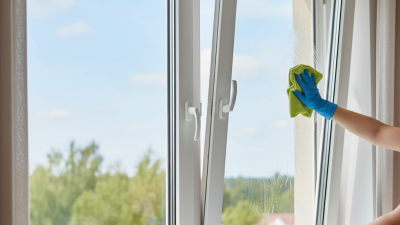
Premium design also includes long-term serviceability. Hardware should operate smoothly after repeated use, even with wet hands or dusty conditions. Frames need resistance to moisture, ultraviolet exposure, and seasonal movement.
Recyclable materials may reduce environmental impact, but recycling systems differ between countries. Buyers should request clear maintenance guidance and replacement-part availability. Smart controls can improve comfort, yet they add failure points and should remain easy to override.
I would not select technology merely because it sounds advanced. A quiet, secure window that remains dependable for decades is often the more professional investment. Temperature records, site measurements, and qualified installation advice deserve attention before final approval.
Top Premium Window Types for Global Buyers
Top Premium Window Types for Global Buyers
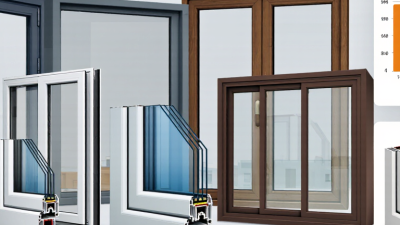
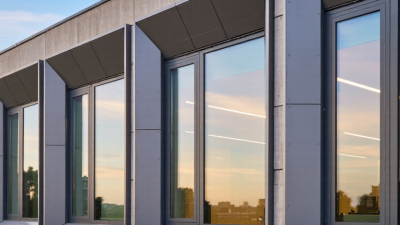
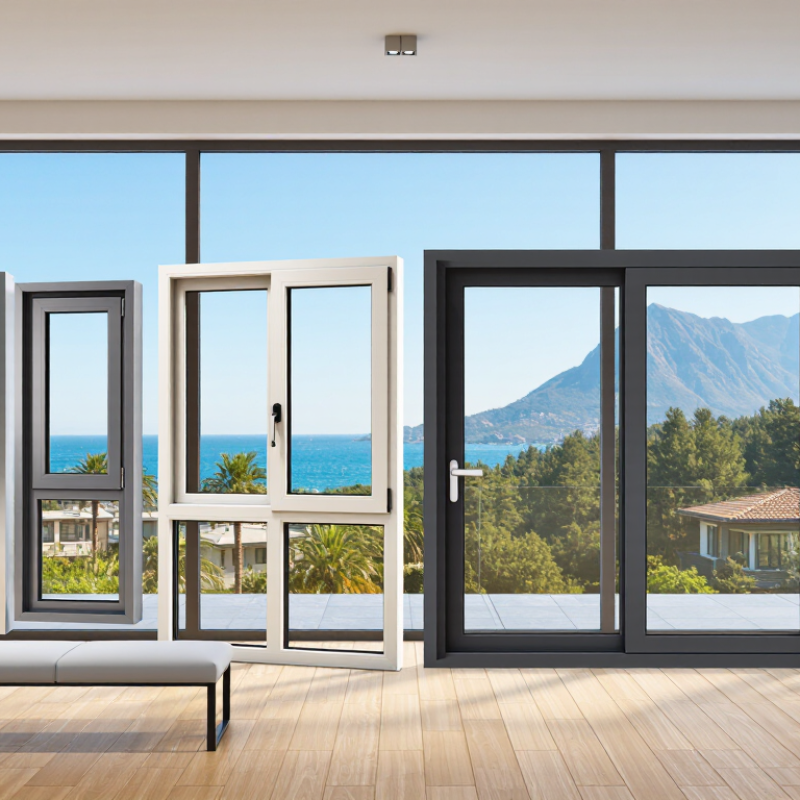
Premium windows in 2026 are defined by performance, not decoration alone. Thermally broken aluminum windows suit high-rise homes and demanding coastal climates. Their slim frames allow wide glass areas while reducing heat transfer. For colder regions, timber-aluminum windows offer warm interiors and weather-resistant exteriors. The timber surface feels natural beneath your hand. It also requires more careful maintenance.
Large lift-and-slide windows create open connections to terraces, gardens, and balconies. They need strong hardware and accurate installation, especially with heavy triple glazing. Low-emissivity glass can limit winter heat loss and summer glare. In noisy urban areas, laminated acoustic glass may improve indoor comfort. However, thicker glass does not automatically solve every sound problem. Wall construction and installation gaps matter greatly.
Global buyers should compare U-values, solar control, air tightness, water resistance, and wind performance. Ask for test reports based on recognized regional standards. Local climate data should guide the glass selection. A tropical project may need solar protection more than triple glazing. A poorly fitted premium window can perform like an ordinary one. This is where many budgets fail. Inspect drainage paths, gasket quality, corner joints, and installation tolerances before approval. No window is perfect. Elegant design still needs practical maintenance access.
2026 Top Types of Premium Windows for Global Buyers
Indicative center-of-glazing U-values for major high-performance window configurations. Lower values indicate better thermal insulation; actual whole-window performance varies by frame, spacer, gas fill, size, and installation quality.
Key insight: Triple low-emissivity glazing and vacuum glazing generally provide the strongest thermal insulation, while double low-emissivity glazing offers a balanced combination of efficiency, weight, cost, and broad climate suitability.
Materials, Glass Options, and Energy Performance
2026 Top Types of Premium Windows for Global Buyers
Premium windows are defined by coordinated materials, glass, and installation rather than appearance alone. Thermally broken aluminum offers slim frames and strong weather resistance for modern buildings. Fiberglass and composite frames reduce heat transfer while tolerating temperature changes. Timber adds natural insulation, but it demands disciplined sealing and maintenance in wet climates. No material is perfect.
Glass selection should follow climate and room orientation. Double glazing may suit moderate regions, while triple glazing performs better in cold or noisy locations. Low-emissivity coatings limit indoor heat loss without blocking useful daylight. Argon-filled cavities improve insulation, although poor seals eventually reduce that benefit. Laminated glass can reduce noise and improve safety, especially near busy streets.
Energy performance needs measurable values. A lower U-factor generally means better insulation. Solar heat gain coefficient matters in hot, sunny regions, but a high value can help passive heating in colder areas. Visible transmittance affects daylight and lighting demand. I have seen excellent window specifications fail because installers ignored perimeter sealing, drainage, or frame alignment. Installation matters greatly. Independent testing, local building requirements, and verified performance declarations provide stronger evidence than sales language. Buyers should compare whole-window ratings, not glass-only figures, and question unusually perfect claims.
Smart Features, Security, and Climate Adaptation
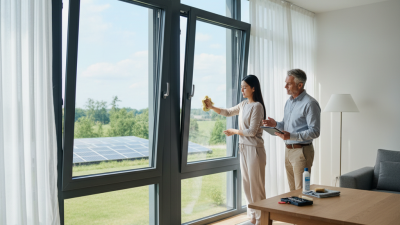
For global buyers in 2026, premium windows must do more than provide daylight. The strongest options combine smart controls, stronger security, and climate-ready construction. Electrochromic glass can reduce glare and solar heat during bright afternoons. Triple glazing with low-emissivity coatings helps stabilize indoor temperatures. According to the International Energy Agency’s Buildings 2023 report, buildings use about 30% of global final energy. Window performance therefore deserves serious attention. Installation still matters.
Security now extends beyond laminated glass. Multi-point locks, reinforced frames, opening sensors, and impact-resistant glazing can create layered protection. Connected windows may send alerts when a bedroom window opens unexpectedly. However, every connected device adds a cybersecurity responsibility. The National Institute of Standards and Technology recommends secure updates, unique credentials, and documented device support for consumer IoT products. These details are often ignored during renovation. That is a costly weakness.
Climate adaptation requires local judgment. In hot regions, external shading and solar-control glazing can reduce afternoon heat near west-facing rooms. In colder areas, warm-edge spacers and insulated frames help limit condensation around the glass. The IPCC’s Sixth Assessment Report links rising temperatures with more intense heat extremes, making passive cooling increasingly valuable. Coastal homes may also need corrosion-resistant hardware and wind-rated assemblies. I would not trust a performance claim without project-specific testing. Some assumptions fail. A qualified installer should review orientation, humidity, wind exposure, drainage, and backup controls before purchase.
How to Compare Premium Windows Across Global Markets
Premium windows cannot be compared fairly by price alone. Climate changes the answer. In cold regions, triple glazing and insulated frames reduce heat loss. In hot markets, solar control glass may matter more. The International Energy Agency reports that buildings use about 30% of global final energy. This makes thermal performance a serious purchasing factor.
Compare Uw, not only center-glass U-value. Uw measures the complete window, including the frame. Ask for verified results from recognized testing laboratories. For solar exposure, compare g-value or SHGC. Lower values can reduce cooling demand, but may reduce useful winter sunlight. The U.S. Department of Energy recommends evaluating both metrics with local climate data. Sound performance also needs evidence. Check Rw or STC ratings for bedrooms near airports and busy roads.
Standards differ across markets. European documents often use Uw and g-value, while North American reports commonly use U-factor and SHGC. Convert units carefully. The Passive House Institute commonly references very low whole-window U-values, often near 0.8 W/m²K for demanding projects. That target may be excessive in a mild coastal climate. I have seen buyers overpay for triple glazing where shading and installation were weaker. That mistake deserves attention. Request air-leakage results, spacer details, condensation resistance, warranty limits, and installation drawings. A premium window is only premium after the wall connection performs.